Christian SVG Bundle Vol. 3: A Designer Review
As someone who spends their days converting digital vectors into physical stitches, I approach every new bundle with a mix of excitement and skepticism. The market is flooded with generic T-Shirt Designs, but finding a collection that translates well from screen to fabric is rare. When I opened the Christian SVG Bundle Vol. 3, my immediate goal was to see if these Graphics held up under the scrutiny of a real-world embroidery project. This isn't just about pretty pictures; it is about how a design behaves when hit by thousands of needle penetrations.
First Impressions: Mood and Visual Weight
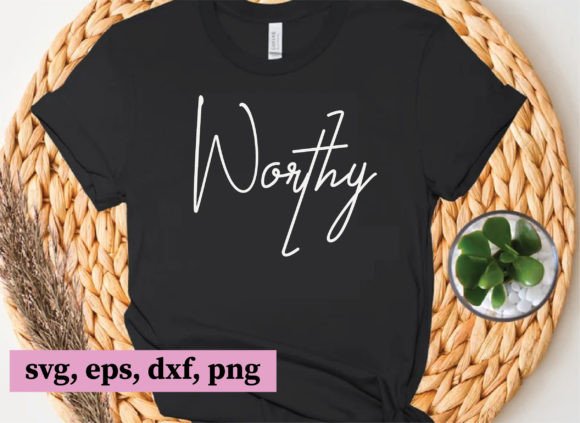
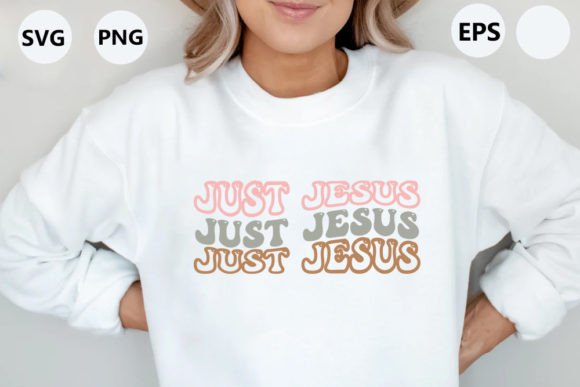
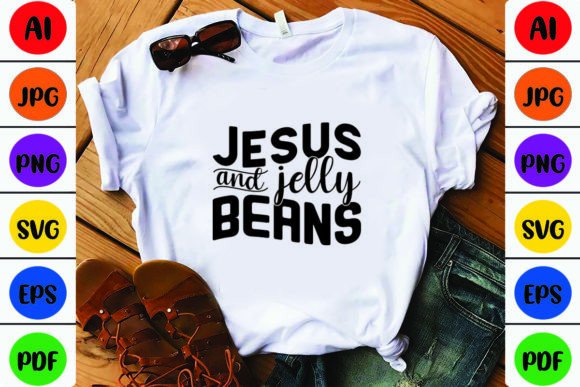
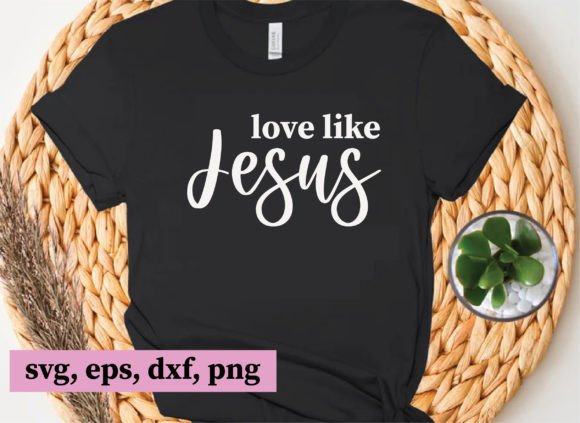
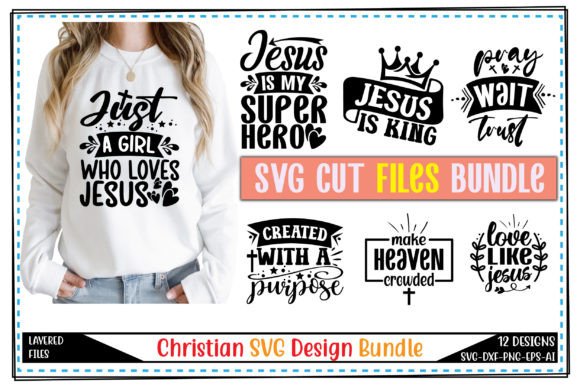
The first thing you notice in Christian SVG Bundle Vol. 3 is the clarity of the lines. In digital design, crisp edges are easy to achieve, but in machine embroidery, they are often the difference between a professional finish and a muddy mess. The twelve designs included in this zip folder strike a balance between intricate detail and bold simplicity. They feel like they were created with the limitations of a sewing machine in mind, rather than just for laser cutting or screen printing.
Visually, the mood is uplifting yet grounded. These aren't overly cluttered religious symbols that get lost in dense fill stitch. Instead, they offer clean silhouettes and readable typography. For a designer, this suggests versatility. You can use these as standalone focal points on a sweatshirt or as subtle accents on a tote bag. The visual personality feels modern enough for a boutique shop but traditional enough for a church group event.
A Real-World Test: The Custom Tote Bag Project
To truly evaluate the Christian SVG Bundle Vol. 3, I imagined a specific scenario: creating a line of custom embroidered tote bags for a local craft fair. Tote bags are tricky because the fabric is often textured canvas, which can swallow fine details. I selected one of the cross motifs from the bundle to test its potential.
In a standard machine embroidery design workflow, I would import the vector file into my digitizing software. The key here is the stitch density. If the original vector has too many tiny curves, the resulting stitch count will be high, leading to puckering on heavy canvas. Fortunately, the shapes in this bundle appear to have smooth curves that can be easily converted into efficient satin stitch borders without needing excessive underlay. This means the finished product will lie flat against the fabric, maintaining the structural integrity of the bag while adding a premium, handmade feel.
When visualizing the final result, I could see customers reaching for these bags not just for utility, but as a statement piece. The design stands out clearly against natural cotton, offering a level of professionalism that elevates the perceived value of the item. For an Etsy seller or small business owner, this kind of clarity is essential for building customer trust and encouraging repeat purchases.
Navigating Fabric Challenges and Hoop Constraints
While the designs look promising, experienced decorators know that context is everything. There are specific situations where even the best embroidery file needs careful handling. For instance, if you plan to use Christian SVG Bundle Vol. 3 on thin fabrics like jersey tees, you must be wary of stretch. The tension required for dense areas might distort the knit unless you use the correct stabilizer.
Another critical factor is the hoop size. Some of the more detailed pieces in the bundle might require a larger hoop to accommodate the full design without splitting it across two hoops, which can lead to alignment issues. If you are working with curved surfaces like caps or hats, you need to ensure the design isn't too wide, or it will wrap awkwardly around the brim. Always check the dimensions before committing to a difficult garment.
Texture also plays a role. On a nubby wool blanket or a thick denim apron, very fine details might get lost. In those cases, it is better to simplify the design or increase the line weight slightly during the digitizing process. Conversely, on dark fabrics, you will likely need a backing layer or applique technique to make the colors pop. The transparency of the PNG files provided helps in visualizing how the design sits on different backgrounds, but the actual thread color contrast must be tested physically.
Practical Notes for the Professional Maker
If you are considering using Christian SVG Bundle Vol. 3 for your craft business, there are several practical steps to take before you start stitching. First, always test the design on scrap fabric that matches your final material. This allows you to adjust the thread colors and tension settings without risking a client's order.
Second, review the licensing carefully. While the bundle includes AI, SVG, EPS, DXF, and PNG files, the terms regarding commercial use for finished products versus selling the digital files themselves can vary. Ensure you understand what you are allowed to sell—whether it is the physical handmade product or the digital embroidery file itself.
For those creating personalized gifts, such as baby items or holiday decorations, these designs offer a great starting point. You can add names or dates to complement the main graphic. However, remember that adding text changes the overall balance. Keep the font style consistent with the Graphics in the bundle to maintain a cohesive look.
Maximizing Value in Your Shop
Ultimately, the success of any embroidery project comes down to execution. Christian SVG Bundle Vol. 3 provides a solid foundation of assets that, when treated with care, can significantly boost the appeal of your inventory. Whether you are making a custom apparel line for a corporate event or a few embroidered patches for a personal gift, the quality of the source file matters.
By taking the time to mock up the designs in black and white first, checking how they scale, and verifying the stitch paths, you ensure that the final output reflects your brand's standards. High-quality embroidery commands higher prices. Customers can tell the difference between a rushed job and one where the designer considered the fabric texture, the stabilizer choice, and the thread sheen.
In conclusion, this bundle is a valuable addition to a decorator's library. It avoids the common pitfall of being too trendy or too generic. With the right preparation and attention to detail, these designs can become the cornerstone of a successful product line, turning simple fabric into meaningful, lasting keepsakes.